Might the strategy of integrating phones into a unified distributed antenna system serve as a means to mitigate the impacts of Russian electronic warfare?
According to an American firm involved in creating a system in Ukraine, networked mobile phones utilizing specific software may provide a cost-effective and straightforward solution to counter the sophisticated electronic warfare tactics employed by Russia.
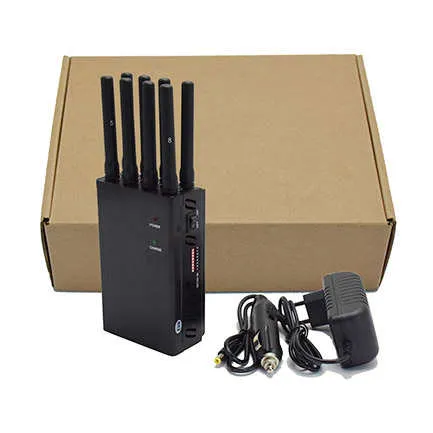
The electronic warfare strategies employed by Russia, such as signal jamming and GPS spoofing, create substantial obstacles for Ukrainian military operations, particularly in the deployment of drones and high-tech U.S. weaponry. Identifying and locating adversarial jamming systems generally requires advanced software-defined radios, a type of equipment that is accessible to the United States and other well-resourced military organizations. However, smaller forces like Ukraine's encounter difficulties in acquiring these critical assets in adequate numbers due to financial constraints.
Should a cost-effective system be created to identify enemy jamming technology, it could enable Ukrainian operators to reclaim a measure of superiority against their more formidable opponents. Additionally, this advancement might alter the strategies that cellphone network providers adopt to fortify their devices against complex threats.
In the vicinity of Christmas last year, the Ukrainian military reached out to Sean Gorman and his team at Zephr, a company dedicated to fortifying devices against GPS-signal interference. Zephr quickly sent six Android Pixel phones preloaded with their software to Ukraine, and in April, they initiated field tests close to the frontlines in Donetsk.